

Introduction:
Table of Contents
Choosing the right blog topic is important. It helps your blog do well. Don’t just pick a topic you like. Mix what you love with what you know. Also, see what people want to read. This choice can seem hard. So many ideas are out there. But, breaking it down into small steps makes it simple.
What are your passions?
First and foremost, it’s essential to start with your interests and passions. What subjects excite you? What do you find yourself constantly reading about or discussing? When you choose a niche that aligns with your interests, you’ll find that creating content becomes more enjoyable and sustainable over time. This intrinsic motivation can keep your creativity flowing and help you maintain consistency, which is crucial for building an audience.
What are you good at?
However, passion alone isn’t enough. It’s equally important to consider your expertise in the area you’re interested in. If you have a background or experience in a specific field, this can give you a significant advantage. Readers are often looking for authentic voices and insights that come from personal experience. If you can combine your passion with your knowledge, you’ll be better equipped to create valuable content that resonates with your audience.
Is there demand?
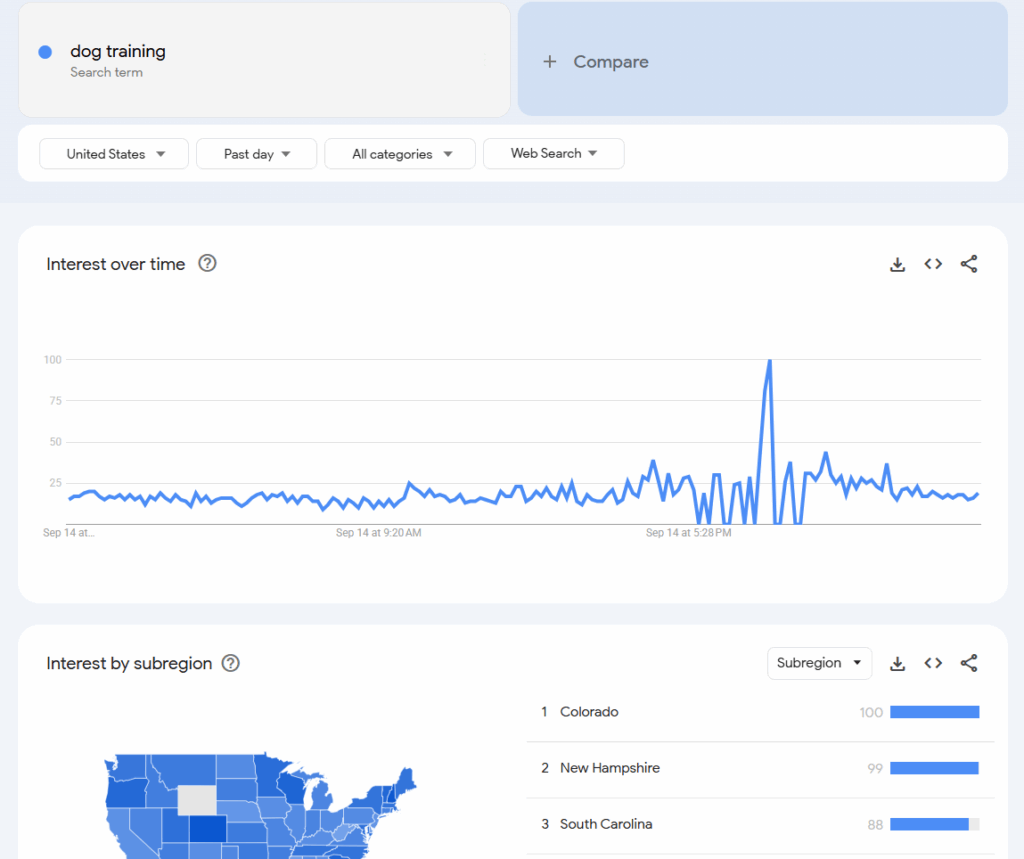
Market demand is another critical factor to take into account when selecting a niche. While it’s vital to write about topics you love, it’s equally important to ensure that there’s an audience out there willing to engage with your content. Researching trends, using tools like Google Trends, and exploring popular blogs within potential niches can provide valuable insight into what readers are currently interested in. Additionally, examining social media platforms can reveal what topics are generating discussions and engagement.
Find a balance:
Finding the sweet spot between passion, expertise, and market demand can be challenging but is crucial for long-term success. One effective strategy is to brainstorm a list of potential niches based on your interests and skills. Once you have this list, take the time to research each one thoroughly. Look at existing blogs within those niches, analyze their audience engagement, and identify gaps in the content that you could fill with your unique perspective.
How will you monetize?
Another approach is to consider the monetization potential of your chosen niche. While it’s essential to focus on what you love, thinking about how you can monetize your blog is also necessary if you aim to turn it into a sustainable business. Some niches are more lucrative than others, offering various avenues for income generation, such as affiliate marketing, sponsored posts, or selling digital products. Understanding the financial aspect of your niche can help guide your decision-making process.
Test the niche:
Once you’ve narrowed down your options, it’s time to test the waters. Consider launching a few trial posts on different topics within your chosen niche. This experimentation phase will allow you to gauge audience response and refine your voice and style. Pay attention to which posts resonate most with readers; this feedback can provide invaluable insight into where to focus your efforts moving forward.
Be flexible:
As you begin to establish your blog, remember that flexibility is key. Your niche might evolve over time as you grow and learn more about both yourself and your audience. Staying attuned to shifts in interest and market demand will allow you to adapt your content strategy accordingly. Don’t be afraid to pivot if you discover new passions or if certain topics aren’t resonating as expected.
Build your tribe:
Building a community around your blog is another vital aspect of success in any niche. Engaging with your readers through comments, social media, and email newsletters creates a sense of belonging and encourages loyalty. Listening to your audience’s needs and preferences can also spark new ideas for content, helping you stay relevant and connected.
Networking is important:
Networking with other bloggers in your niche can also be beneficial. Collaborations, guest posts, and simply sharing insights with fellow bloggers can open up new opportunities and expand your reach. Building relationships within the blogging community can provide support, inspiration, and valuable tips from those who have navigated similar paths.
Play the long game:
Remember that the journey of blogging is a marathon, not a sprint. Success won’t come overnight; it requires dedication, patience, and consistent effort. Focus on creating high-quality content that provides value to your readers rather than obsessing over quick gains. Over time, as you build trust with your audience and establish yourself as an authority in your niche, growth will naturally follow.
Final Thoughts:
In conclusion, choosing a blogging niche involves careful consideration of your passions, expertise, and market demand. Finding your niche checklist should include conducting thorough research, experimenting with different topics, and staying flexible as you grow, so you can find a niche that not only fulfills you personally but also resonates with readers. Remember to engage with your audience and cultivate relationships within the blogging community as you embark on this exciting journey. With perseverance and a clear vision, you can create a successful blog that stands out in the crowded online space.